Toronto, ON
My Child Sees Clearly Now: Why Myopia Follow-Ups Still Matter
“My child can read the board again. Do we still need the follow-up?”
It’s a reasonable question, especially once the school year gets busy. Seeing clearly is encouraging, but a child’s eyes can continue to develop even when their glasses or contact lenses are working well. Standard vision correction brings images into focus. Myopia control also aims to slow how quickly nearsightedness worsens over time. Clear vision today, or one prescription measurement, cannot tell the whole story.
If your child has recently started a prescribed plan, the next visit is part of that plan. It gives you and your optometrist a chance to see how things are going and talk about what daily care actually feels like.
What happens at a myopia follow-up?
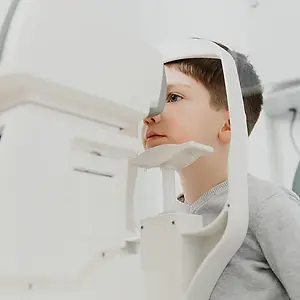
A follow-up helps your optometrist review your child’s vision, prescription trends, eye health and comfort. They may also ask how consistently your child can follow the plan during school days, activities and weekends. The measurements used and the timing of visits depend on the treatment and your child’s needs; your optometrist will recommend what is appropriate.
This longer view matters because myopia control is intended to slow progression. It does not cure myopia or guarantee that a prescription will stay the same. If a measurement changes, your optometrist can consider it alongside earlier results and your child’s experience before discussing whether care should be adapted. A change does not, by itself, mean the plan has failed.
Our myopia control page outlines the approaches available at Dr. Rehana Manji & Associates. Follow-up care is personalised too: a child using MiSight 1-day contact lenses may have different comfort and handling questions from a child wearing Essilor Stellest lenses or using prescribed atropine drops. No single approach or review routine fits every family.
What should we bring or mention?
Bring your child’s current glasses and, if they use contact lenses, the lens box or details of the prescribed lenses. It can help to jot down anything you have noticed since the last visit:
-
New blur, squinting or difficulty seeing at school
-
Discomfort while wearing glasses or contact lenses
-
Trouble putting lenses in, taking them out or following the recommended wear routine
-
Missed wear or doses, including days when the routine simply did not fit
There is no need to make the routine sound easier than it is. Perhaps lenses are difficult to handle before school, or a child is reluctant to wear their glasses during an activity. Those details help the optometrist discuss a plan your family can follow. If you have questions about lens handling, the practice’s contact lens care information offers a useful starting point.
Please tell your optometrist about new blur or discomfort rather than waiting silently for the next scheduled visit. Do not change prescribed drops, lens wear or other treatment on your own; ask the optometrist what to do.
How does follow-up fit into everyday life?
For many families, September means new classrooms, sports and routines. A follow-up is a chance to say what has changed and ask whether the current plan still fits. Regular children’s eye exams also support your child’s broader vision and eye health, while your optometrist can explain how their myopia reviews fit alongside them.
Outdoor time and breaks from close work can be healthy daily habits. They do not replace prescribed myopia care or its recommended reviews.
Book an Appointment With Us Today!
If your child is due for a review—or you are deciding whether your family can commit to ongoing care—contact Dr. Rehana Manji & Associates in Toronto to ask what follow-up would involve. You can request an appointment through the practice’s contact page and discuss a practical next step for your child.