Toronto, ON
Get Dry Eye Relief Today
Dry eye is a common condition that occurs when your eyes aren't producing quality tears or your tears are evaporating too quickly.
At Dr. Rehana Manji & Associates, we create a comprehensive experience and take a hands-on approach to dry eye diagnosis and treatment, and it all starts with an eye exam.
Our dry eye services start with a thorough assessment using diagnostic methods such as tear osmolarity, tear breakup time (TBUT) testing, InflammaDry, and more. Our dry eye process is all about helping you find relief—contact us to schedule your appointment today.
What Causes Dry Eye?
Dry eye can be caused by inconsistencies in your tear film. Your tear film consists of 3 layers:
- The oily outer layer
- The watery middle layer
- The inner mucous layer
When the glands that produce these elements of your tears are not functioning properly or become inflamed, dry eye can occur. Inflammation can also occur from meibomian gland dysfunction (MGD).
MGD & Dry Eye
Meibomian gland dysfunction (MGD) is a common condition that affects the function of the meibomian glands, which are responsible for producing the oil layer of the tear film.
When these glands become clogged or inflamed, they can't produce enough oil to keep the tears from evaporating too quickly, leading to dry eye.
We can treat MGD through meibomian gland expression and other treatments.
Do You Have Dry Eye?
Common symptoms of dry eye syndrome can include:
- A stinging or gritty feeling in the eye
- Scratchy and uncomfortable eyes
- Blurry vision
- Sensitivity to light
- A burning feeling or the feeling of something foreign in the eye
If you're dealing with these symptoms, a comprehensive eye exam helps our team prepare a treatment plan.
Our Dry Eye Diagnostics
The diagnostic stage is an important step in the dry eye treatment process. We offer a variety of different diagnostic tests, including InflammaDry, subjective TBUT testing, and more.
Our dry eye screenings are just the beginning. If you're dealing with dry eye, we can help you find relief.
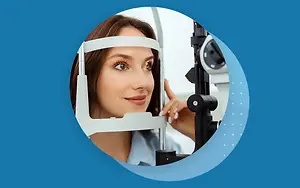
Tear breakup time (TBUT) testing measures the time it takes for the tear film on the ocular surface to break up. This test can be performed subjectively by a clinician or objectively using an automated device.
During this test, your eyes are examined to determine how quickly your tears evaporate, indicating the presence of dryness.
Dyes and staining techniques are commonly used in the assessment of dry eye. Fluorescein and lissamine green dyes are 2 common types used to evaluate the health of the eye surface, including the cornea and conjunctiva.
These dyes are applied to the eyes so any damage or abnormalities on the eye surface can be visualized through a slit lamp microscope.
InflammaDry is a dry eye testing tool designed to help you eventually get relief from dry eye. InflammaDry provides information about the underlying cause of your dry eye by detecting an enzyme in your tears.
This quick and accurate diagnostic test allows our team to identify inflammation on your eyes' surface. By pinpointing the root cause of your dry eye, we can develop a personalized treatment plan for your specific needs.
If you're experiencing dry eye symptoms, the TearLab Osmolarity System can help. With its objective and quantitative point-of-care testing, TearLab provides precise and predictive information about tear osmolarity.
Tear osmolarity can reveal an abnormal osmolarity, indicating a loss of homeostasis or instability of the tear film. This is crucial for assessing your eye health.
Can Anyone Get Dry Eye?
The quick answer is yes. Dry eye disease can affect anyone, regardless of age, gender, or race. However, certain factors can increase the risk of developing this condition, including:
- Spending more time using digital screens
- Wearing contact lenses without proper care
- Using eye makeup daily
That said, environmental factors also play a role in the development of dry eye disease. People who live in dry and windy places are more likely to experience dryness and eye irritation due to environmental conditions.